Denver Custom Websites: What to Look for When Hiring a Local Agency
Denver has a healthy creative scene and no shortage of web design agencies. There are boutique studios, mid-size shops, freelancers working under agency names, and larger full-service firms. The range in quality, approach, and fit is significant.
Finding the right one is less about finding the biggest portfolio and more about finding the right match for what your business actually needs. Here is what to look for.
Look at the Work, Not the Website.
Agency websites are designed to impress. The real test is the client work. Pull up three or four projects from their portfolio and ask a few honest questions.
Does the work look distinct or does it all look the same? An agency that has developed a house style will give every client a variation of that style regardless of what the brand actually needs. That is a problem if your brand has a specific personality that does not match their aesthetic.
Does the work hold up in your industry? A Denver agency that has done strong work for restaurants and retail may not understand what a commercial real estate firm or a homebuilder actually needs from their website. Industry experience is not everything but it accelerates the process significantly.
And look at live sites, not just screenshots. Screenshots are controlled. A live site tells you about performance, mobile experience, and how the design holds up in the real world.
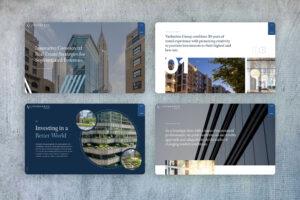
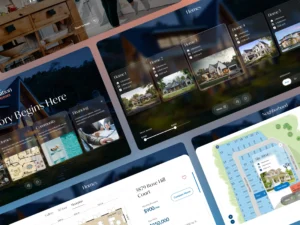
Terrain has built sites for Stream Realty, Vanbarton Group, David Weekley Homes, and Eddie’s Tavern – different industries, different audiences, different goals. That range matters.

Understand What You Are Actually Paying For.
Web design pricing in Denver ranges from a few thousand dollars to well over fifty thousand. That range exists because the scope varies enormously and because some agencies are simply more expensive than others for the same output.
Before you compare quotes, get clear on what is included. A proposal that includes strategy, design, development, CMS setup, and training is very different from one that covers design files only. Ask specifically:
- Who does the development? is it in-house or outsourced?
- What platform does the site run on and will you own it outright?
- What does the handoff look like? Do you get documentation and training?
- What happens after launch? Is there an ongoing support option?
The cheapest option is rarely the best value. A site that costs $3,000 and needs to be rebuilt in eighteen months because it was built on a template with no flexibility has cost you more than a $10,000 custom build that lasts five years.
Terrain projects start at $8,000. Our approach covers strategy, custom design, WordPress development, and a CMS handoff your team can manage day to day.
Ask Who Is Actually Working on Your Project.
This is the question most people forget to ask and the one that matters most. The principal who presents in the pitch meeting is not always the person building your site. At larger agencies, your project often goes to a junior team member or gets outsourced to a contractor overseas.
Ask directly: who specifically will be designing and developing my site. Will I have a single point of contact or will I be managed through an account manager. How many projects is your team running simultaneously.
At Terrain, every project is led by the Founder from the first conversation through launch. There is no account manager between you and the person doing the creative work. For clients who want someone who genuinely understands their business, that direct relationship changes the quality of the output.
Local Does Not Always Mean Better. But It Can Mean More Accountable.
There is a real argument for hiring a Denver-based agency if your business is local. They understand the market, they know the city, and there is something to be said for being able to walk into a meeting if something goes wrong.
But local does not automatically mean better. A boutique studio in Denver that has built twenty strong websites for Colorado businesses is a better choice than a large local agency that farms work out and manages client relationships through account managers.
The more relevant question is not where the agency is located but whether they understand your industry, your audience, and what your site actually needs to accomplish. A remote agency that specializes in your niche will outperform a local generalist every time.
Terrain is based in Denver and works with clients nationwide. The location gives us context for local businesses, but the real differentiator is the work and the industries we know.
Check for Strategic Thinking, Not Just Aesthetic Skill.
A web design agency that leads with aesthetics is selling you the wrong thing. A website that looks great but does not convert visitors into inquiries, leads, or customers has failed at its actual job.
In your first conversation with any agency, push on the strategy side. Ask how they approach discovery. Ask what questions they would want answered about your business before they start designing. Ask how they define success for a project like yours. An agency with genuine strategic depth will engage these questions with specific, considered answers. One that is primarily execution-focused will redirect back to the portfolio and talk about timelines.
Design is how strategy becomes visible. The two are inseparable in good work.
Denver’s Market Is Competitive. Your Website Should Match That.
Denver has grown significantly over the last decade and competition across most industries has grown with it. Real estate, hospitality, food and bev, professional services – the bar for a credible digital presence has risen in every category.
A website that looked fine in 2018 is not fine anymore. Clients, investors, and partners are evaluating your digital presence before they agree to a meeting. What they find either builds confidence or creates doubt. The Denver businesses whose websites are actively generating leads are not necessarily the biggest or the most well-funded. They are the ones who treated their website as a business tool rather than a one-time expense and invested accordingly.
The Right Agency Feels Like a Partner, Not a Vendor.
The best web design relationships in Denver look less like a transaction and more like a collaboration. The agency understands your business well enough to push back when a decision is working against your goals. You trust their judgment enough to let them.
That requires finding someone with real experience, honest communication, and the skill to back it up.
If you are evaluating agencies and want a straight conversation about what your site needs, we are happy to talk.